
Solar Battery Backup in Massachusetts: Built for Homes That Refuse to Lose Power

Massachusetts electricity runs roughly 66% above the national average per kWh according to EnergySage, and every homeowner feels it on the bill. Add in nor’easters and ice storms that take down the grid for days, and a solar battery backup starts making real sense: lower draw from the grid year-round, and power that stays on when the grid doesn’t.

Why Massachusetts Homeowners Choose SRsolarNH

400+ Installs

400+ solar systems across New England, plenty of them running battery backup through the same nor’easters and humid coastal summers Massachusetts homeowners deal with. That kind of track record shapes how every new MA design gets built.

EnergySage Installer of the Year

Winning EnergySage’s top spot once is hard. Winning it back-to-back in 2025 and 2026 is a different story. Those awards only go to installers whose customers keep coming back with the same feedback: honest quotes, clean installs, follow-through after the sale.

Off-Grid & Battery Specialists

Adding a battery to a solar system isn’t a plug-and-play upgrade. It changes how the array is wired, how the inverter operates, and how the whole system behaves during an outage. SRsolarNH designs battery systems every week, which is why most Massachusetts homeowners looking for real backup end up here.

25-Year Workmanship Warranty

Most solar warranties cover the panels. SRsolarNH’s covers the workmanship for 25 years, on every install. It’s a warranty a company only offers when it plans to be around long enough to honor it.

Union Leader Readers' Choice Award

2024 and 2025, both years, chosen by regional readers. Awards from the industry come and go. This one is different because it’s voted on by the people who write the checks and live with the results.

Battery Options for Massachusetts Homes

There isn’t one battery that’s right for every Massachusetts home. Coverage goals, existing solar setup, and how the home uses power all point to different options. The batteries below cover the main choices SRsolarNH installs across MA, from lithium units built for clean whole-home backup to lead carbon systems designed for demanding off-grid work.

Tesla Powerwall

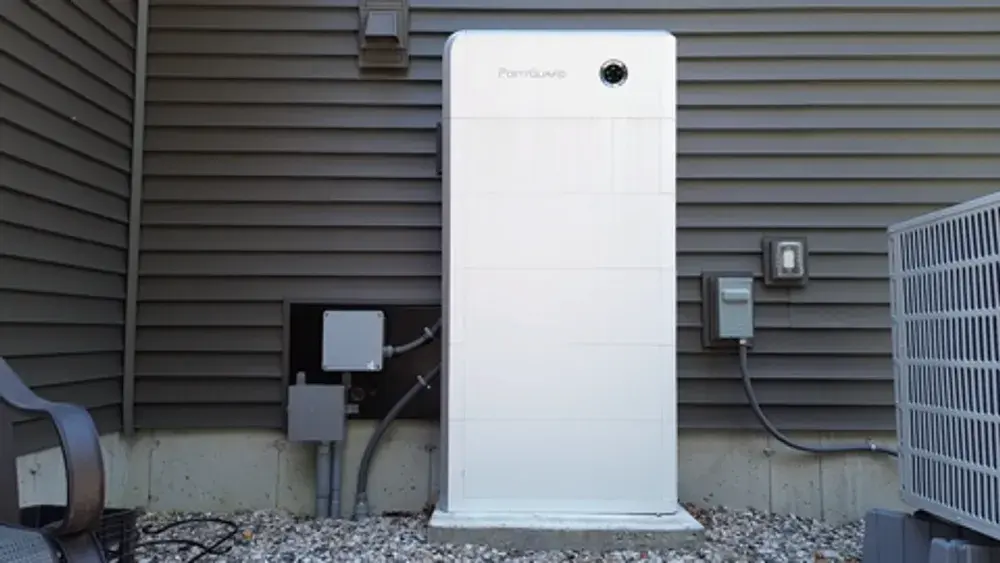
The Powerwall is the most recognized name in home battery storage, and there’s a reason for that. It handles whole-home or critical-load setups depending on how many units go in, integrates with almost any solar array, and its app makes tracking usage and outage performance simple for the homeowner.

SigEnergy Systems

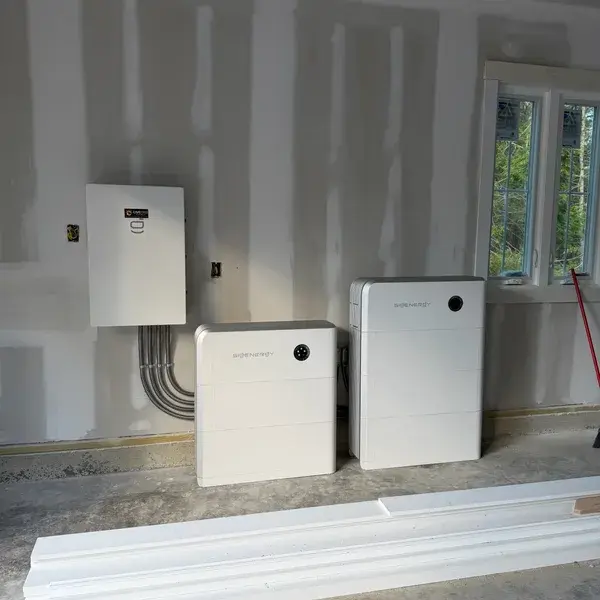
SigEnergy is built for bigger jobs. A Massachusetts home running heat pumps, EV charging, or a heavy summer AC load can hit the limits of a smaller system fast. SigEnergy scales up in modular blocks, which keeps the storage side matched to actual demand.

Franklin Whole Home Battery

Franklin was designed around whole-home coverage from the start. Each unit carries a high storage capacity, so a full-house backup setup can be built without stacking a wall of smaller batteries. A clean fit for homes that want serious runtime with a compact footprint.

Enphase

For a Massachusetts home already running Enphase microinverters, the Enphase battery is the most seamless add-on. Everything speaks the same language, which keeps the install simpler and monitoring in one place. Modular design also means the storage side can grow later without redoing the array.

EG4 Batteries

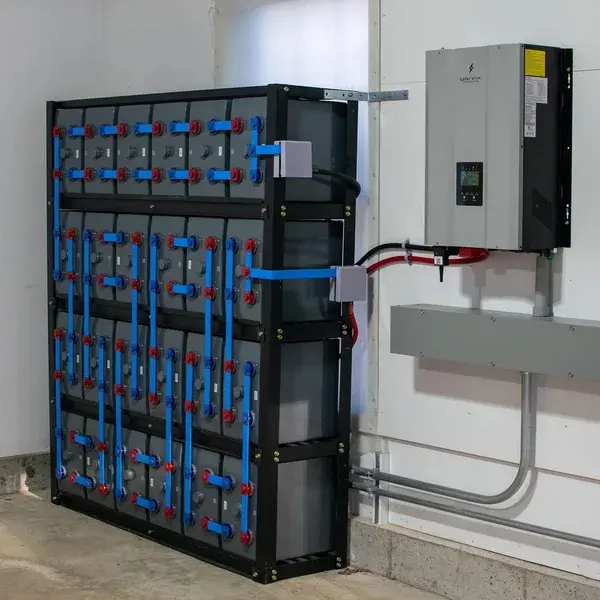
EG4 shows up most on off-grid and hybrid systems where storage needs are heavy and the budget still has to make sense. Reliable performance, meaningful capacity, and a price point that lets a homeowner actually build the size of system a Massachusetts off-grid property calls for.

Discover

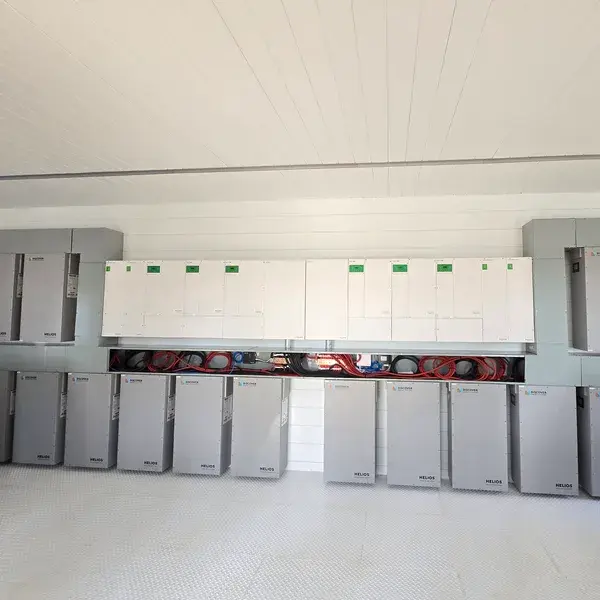
Discover has been in the deep-cycle battery world for a long time. It’s built to hold up under the kind of daily heavy discharge that off-grid systems and full-time backup setups put a battery through. A durable pick for the more demanding jobs.

Franklin Whole Home Battery

Franklin was designed around whole-home coverage from the start. Each unit carries a high storage capacity, so a full-house backup setup can be built without stacking a wall of smaller batteries. A clean fit for homes that want serious runtime with a compact footprint.
How it Works

How Solar Battery Backup Works

1

Your Panels Charge the Battery

While the sun is up, the solar panels are producing more electricity than the home uses at any single moment. That extra energy goes straight into the battery instead of flowing back to the grid, and the reserve builds up through the day.
2

Your Home Draws From Storage

As soon as production slows or the sun sets, the home starts pulling from the battery before it touches the grid. That means fewer kWh bought at Massachusetts’s high peak-hour rates, and more of the home’s own solar power getting used the way it should.
3

Backup Kicks In Automatically

The moment the grid drops, the system switches to battery power in milliseconds. Nothing to flip, nothing to plug in. As long as the panels are producing during the day, the battery keeps recharging, which is how a properly sized system carries a Massachusetts home through the multi-day outages that come with a real nor’easter.
Not Sure How Much Storage Your Massachusetts Home Needs?

See Our Work

Why Choose Us

What Our Customers Are Saying

What Will Your Solar Battery Backup Power During an Outage?

What a battery backup actually powers during an outage depends on how the system is sized and which loads are set as critical when it’s designed. In Massachusetts, these are the ones that come up most often.

Sump Pump

High priority. Basement flooding is a real risk across a lot of Massachusetts, especially during the spring melt and heavy summer storms. A sump pump that stops running mid-outage can turn a bad day into a very expensive one.

Heating System Controls

High priority. Furnaces, boilers, and heat pumps all need electricity to run their fans, pumps, and controls, no matter what the fuel side is doing. A January outage without heat gets serious in Massachusetts fast.

Refrigerator and Freezer

High priority. A multi-day outage can cost a full fridge and freezer of food. Keeping them running is one of the highest-value uses of a battery, dollar for dollar.

Medical Equipment

High priority. CPAP, oxygen, medication refrigeration, mobility equipment. Anything a household depends on for daily care has to stay running through an outage.

Lights and Outlets

Medium priority. A few essential lights and outlets go a long way when the goal is just to keep the home livable through a longer outage.

Wi-Fi and Phone Charging

Medium priority. Small draw on the battery, big return when the outage stretches into a second or third day.

Serving Massachusetts & Surrounding Communities

SRsolarNH installs solar battery backup systems for homeowners across Massachusetts, with the strongest reach on the North Shore, the Merrimack Valley, and the Greater Boston area. If a town isn’t listed here, it’s still worth a call.

SalemAmesburySalisburyHaverhillNewburyportRowleyIpswichEssexGloucesterRockportBeverlyDanversMarbleheadLynnRevereMaldenSomervilleWalthamLexingtonWoburnBurlingtonConcordBillericaTewksburyLowellAndoverLawrenceMethuenActon

And the surrounding areas. Not sure if your property is in the service area? Give SRsolarNH a call to check.

Do you not see your town? Give us a call at 603-540-4243 to confirm we serve your area.

Frequently Asked Questions

The right spot depends on the home’s layout, the battery model, and what Massachusetts fire code allows. In most homes it ends up in the garage, the basement, or on a sheltered exterior wall. SRsolarNH walks through the options during the free consultation and handles all the permitting.
Once the battery hits full charge, any extra solar production flows back to the grid instead of going unused. In Massachusetts, that overproduction earns net metering credits from the utility, which offset what the home pulls from the grid at other times.
Usually, yes. SRsolarNH adds battery storage to Massachusetts homes with existing solar all the time, regardless of who did the original install. The current inverter, electrical panel, and array wiring get reviewed first to figure out the right integration path.
It depends on how much storage the home needs and how involved the integration is. A single-battery critical-load setup is a different project than a whole-home system with multiple units. SRsolarNH puts together a free, no-pressure quote based on the specific home, and financing is available.
No. A standard grid-tied solar system is required to shut off the moment the grid goes down, as a safety measure for utility crews on the lines. Without battery storage, the panels can’t send power to the home during an outage, no matter how much sun there is.

Massachusetts Homes Deserve a Battery System Built to Handle the Grid

Every SRsolarNH battery system is designed from scratch around the specific Massachusetts home it’s going on, from how the property uses power to what needs to stay on when the grid drops. Add in EnergySage Installer of the Year in 2025 and 2026 and the Union Leader Readers’ Choice Award in 2024 and 2025, and there’s a clear picture of what to expect. When the home is ready, SRsolarNH is one call away.